Swing Trading vs Day Trading: Which One Is Right for You?
Most new traders pick a style based on YouTube hype, not honest self-assessment. Then they wonder why they're stuck.
Here's a no-BS comparison so you can pick the style that actually fits your life.
The Quick Definitions
Time Commitment
| Factor | Day Trading | Swing Trading |
|---|---|---|
| Hours per day | 4-8+ | 30-60 minutes |
| Best for | Full-time traders | Working professionals |
| Screen time | Constant | Periodic check-ins |
If you have a 9-to-5, day trading will destroy you. Swing trading is built for your schedule.
Capital Requirements
Profit Potential
Day traders can earn faster, but the variance is brutal. Swing traders compound steadier with less stress.
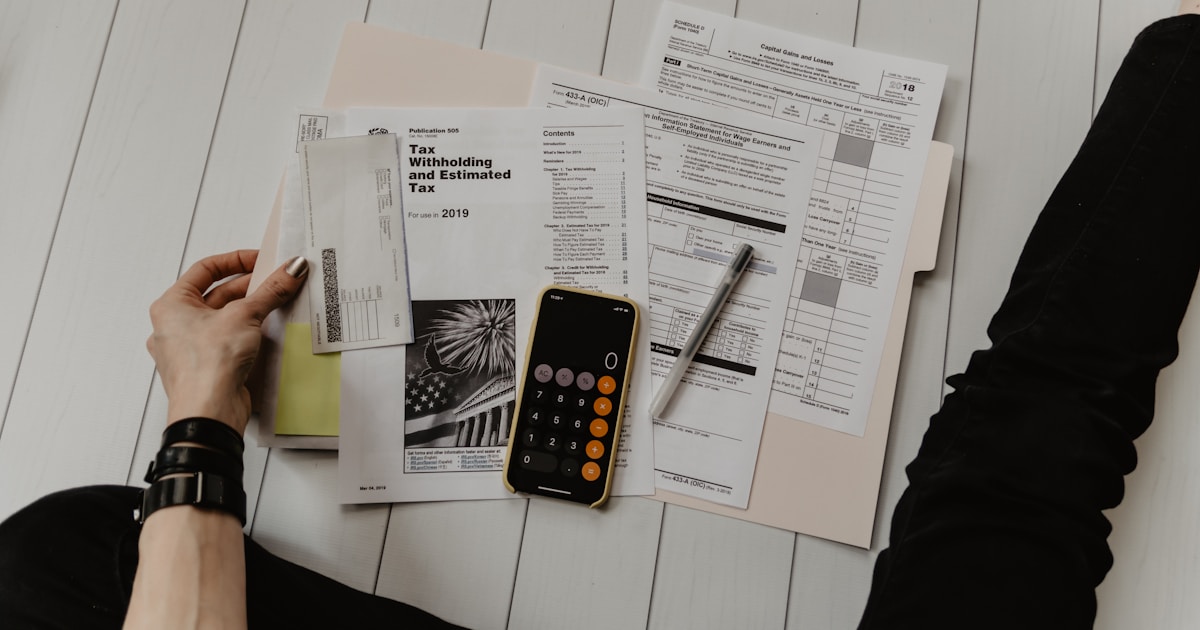
The myth that "day trading = more money" ignores the burnout, taxes (short-term capital gains hurt), and emotional cost.
Personality Fit
Day trading suits you if:
Swing trading suits you if:
Tools You'll Need
Day trading: Fast execution platform, Level 2 quotes, hot keys, and intraday indicators like VWAP and the SimpleAlgo Oscillator.
Swing trading: Daily and 4-hour charts, trend filters like the SimpleAlgo Trend Cloud, and a journal to track multi-day setups.
The Honest Recommendation
If you're new and have a job: start with swing trading. You'll learn faster, lose less, and actually have a life.
If you have $25K+, no job constraints, and a high-pressure tolerance: day trading is viable — but expect 12-18 months of losses before consistency.
Hybrid Is Allowed
Many pros run a swing book on the daily chart and scalp intraday with a small allocation. SimpleAlgo's indicators work across both timeframes — letting you swing the daily and day-trade the 5-minute with the same toolkit.