Back to Blog
    Trading Education
    #macd
    #divergence
    #reversal-trading

    MACD Divergence Trading: Spot Reversals Before They Happen

    NickTradesNickTrades
    January 6, 20263 min read
    Share:
    MACD Divergence Trading: Spot Reversals Before They Happen


    MACD Divergence Trading: Spot Reversals Before They Happen

    Divergence trading is one of the most reliable methods for identifying potential trend reversals. When price and momentum disagree, change is often coming.

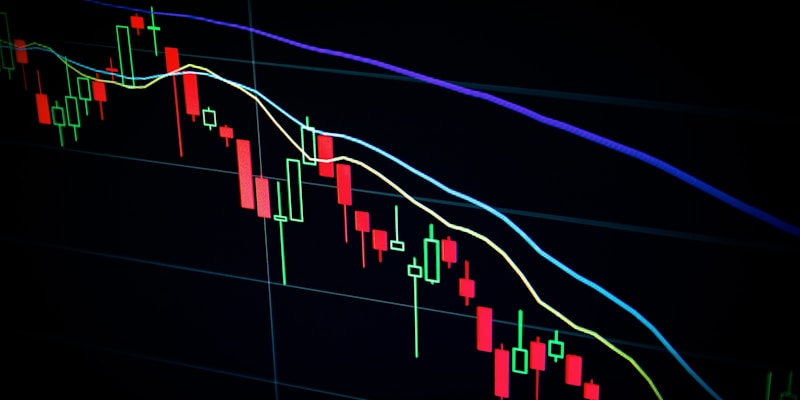
    MACD divergence chart

    What is MACD Divergence?

    Divergence occurs when price makes a new high or low, but the MACD indicator fails to confirm it. This disagreement between price and momentum often precedes a reversal.

    Types of Divergence

    Regular (Classic) Divergence

    Signals potential trend reversal:

    Bullish Regular Divergence:

  1. Price makes lower low

  2. MACD makes higher low

  3. Signals potential upward reversal
  4. Bearish Regular Divergence:

  5. Price makes higher high

  6. MACD makes lower high

  7. Signals potential downward reversal
  8. Divergence types explained

    Hidden Divergence

    Signals trend continuation:

    Bullish Hidden Divergence:

  9. Price makes higher low

  10. MACD makes lower low

  11. Signals uptrend continuation
  12. Bearish Hidden Divergence:

  13. Price makes lower high

  14. MACD makes higher high

  15. Signals downtrend continuation
  16. How to Identify Divergence

    Step-by-Step Process

  17. Identify the overall trend

  18. Look for swing highs/lows in price

  19. Compare corresponding MACD peaks/troughs

  20. Draw lines connecting the swings

  21. Check if lines diverge (move in opposite directions)
  22. Quality Checks

    Not all divergences are equal. Look for:

  23. Clear, well-defined swings

  24. Divergence on higher timeframes

  25. Confirmation from other indicators

  26. Volume supporting the reversal
  27. Trading Strategies

    Trading divergence strategy

    The Divergence Reversal Strategy

    Entry Rules:

  28. Identify divergence

  29. Wait for MACD histogram to change color

  30. Confirm with candlestick pattern

  31. Enter on break of recent swing
  32. Exit Rules:

  33. Target previous support/resistance

  34. Use trailing stop

  35. Exit if opposite divergence forms
  36. Combining with Support/Resistance

    The most reliable divergence trades occur at key levels:

  37. Identify major support/resistance

  38. Wait for price to reach the level

  39. Look for divergence formation

  40. Trade the rejection with divergence confirmation
  41. Common Mistakes to Avoid

    Trading Every Divergence

    Not all divergences lead to reversals:

  42. Avoid divergence against strong trends

  43. Skip divergence on low timeframes

  44. Don't trade without additional confirmation
  45. Ignoring the Context

    Divergence works best when:

  46. At key support/resistance levels

  47. After extended trends

  48. With confluence from other indicators

  49. On higher timeframes (4H, Daily)
  50. Entering Too Early

    Wait for:

  51. Divergence to complete

  52. MACD crossover

  53. Price action confirmation

  54. Break of structure
  55. Advanced Techniques

    Multi-Timeframe Divergence

  56. Spot divergence on higher timeframe

  57. Drop to lower timeframe for entry

  58. Use lower timeframe for timing

  59. Higher timeframe for direction
  60. Triple Divergence

    When price makes three swings against MACD:

  61. More powerful signal

  62. Higher probability of reversal

  63. Larger potential move
  64. MACD Settings

    Default Settings (12, 26, 9)

    Works well for most timeframes

    Faster Settings (8, 17, 9)

    More signals, more false positives

    Slower Settings (19, 39, 9)

    Fewer signals, higher reliability

    Conclusion

    MACD divergence is a powerful tool for anticipating reversals. Combine it with trend analysis, key levels, and proper risk management for consistent results.

    NickTrades

    NickTrades

    Founder of SimpleAlgo and professional trader sharing insights on trading strategies, market analysis, and product updates.

    Related Articles